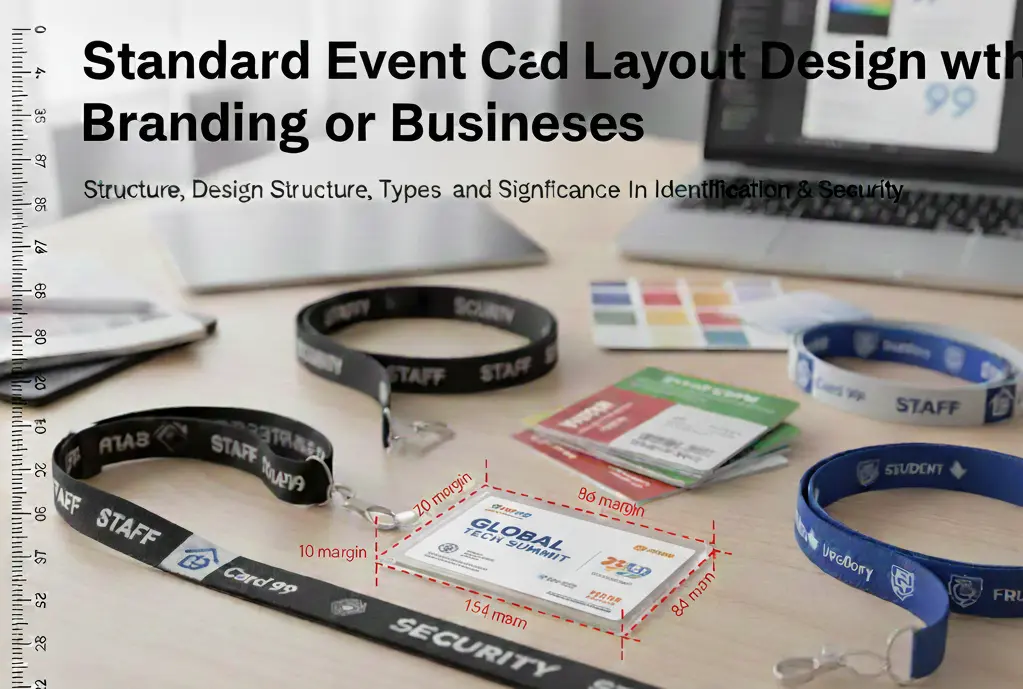
Layout in Event Card, Structure, and Significance of Professional printing.
Presentation is also very important in the shaping of the first impressions in the world of events. Prior to visitors visiting a venue their perception on what is about to happen is being formed by the way it is packaged in terms of its introduction and the mode of communication. The event card is one of the best tools to use towards this end.
In a case of an ID card manufacturer, a printing company or a professional design service, knowledge of event card layout and structure is very crucial. An event card should never be a vehicle to communicate, but it must be professionally developed, enhance branding, and be well-crafted.
The present paper is a comprehensive guide to event card layout with special attention being paid to layout principles, design structure, print considerations, and usability with references to professional printing and design considerations.
What Is an Event Card?
Event Card Event Card is a printed or electronic card that is utilized to invite, inform, or direct the participants towards an event. It usually contains the necessary information about the name of the event, the date, time, the venue, and the information about the organizers, which is structured in a visual manner.
The event cards are usually utilized in:
- Receptions and Weddings
- Anniversaries and Birthday parties.
- Corporate seminars, meetings and conferences.
- Educational and culture events.
- Product introduction and trade show.
- Online events, online workshops, and webinars.
In case of printing and design companies, an event card is an amalgamation of content readability, balance of layout, and aesthetics.
What Is an Event Card Layout?
An event card layout is the structured layout of:
- Text
- Images or graphics
- Colors
- Icons
- Spacing and alignment
The design determines the location of the information, the flow of information, and where the information will be focused. The layout is quite powerful and makes the reader follow the eye flow in a natural way so that the most important details could be noticed at the very beginning.
An event card design layout will make sure:
- Clear readability
- Information hierarchy Logic.
- Visual balance
- Print accuracy
- Brand consistency
Significance of Event Card Layout.
1. Produces a Powerful First Impression.
The first experience that a guest goes through with an event is an event card. A clear and well-designed design is a feeling of confidence, quality and expectation. Bad layouts will confuse or lose interest, on the other hand.
In the case of printing and design companies, the quality of layout is the direct indicator of brand credibility.
2. Examples Communication of Information.
Communication is the main aim of an event card. A proper planning guarantees the availability of important information like:
- Event name
- Date and time
- Venue
- Organizer information
are readily found and comprehended without unnecessary labour. Easy to follow outline design helps to minimize the number of questions afterward.
3. Consideration of the Theme and Purpose of the Event.
Each event is characterized by a special tone formal, casual, celebrative, or professional. Layout elements such as:
- Font style
- Color palette
- Spacing
- Graphic elements
assist in the visual presentation of the event mood.
For example:
- Classy designs are appropriate during a wedding and other formal events.
- Playful and bright designs are appropriate with parties.
- Sparse layouts are appropriate in the corporate events.
4. Favors Branding and Identified Career.
Event cards also serve as branding instruments in case of corporate and institutional events. The regular design assists in supporting:
- Company logo placement
- Brand colors
- Typography standards
Printing agencies and design firms will tend to create standardized templates to ensure that the same look is maintained in various events.
Important Features of a Good Event Card Layout.
1. Event Title or Name
The most noticeable component is the event title which should:
- Appear at the top or center
- Apply bold characters or characteristically unfamiliar font.
- Be clearly readable
The title predetermines and determines the aim of the event.
2. Date and Time Section
This section should be immediately visible and it should be clearly formatted.
Best practices:
- Use clear font styles
- Maintain proper spacing
- Avoid overcrowding
Time zone information can also be added in case of digital cards.
3. Venue or Platform Details
The venue details in the information assist the guests in planning their visit.
Printed cards may include:
- Venue name
- Full address
- Landmark (optional)
Digital cards may include:
- Clickable map links
- QR codes for navigation
- Virtual events links on the internet
4. Host/Organizer Information.
This part gives reality and clearness.
It may include:
- Host or organization name
- General company or institution information.
- The contact information (option)
In the case of corporate events, it makes this section more credible.
5. Visual and Design Elements
The aspects of design help in improving the overall look of the card.
Common elements include:
- Background colours or textures
- Borders or frames
- Icons and illustrations
- The photographs (where necessary)
Professional layouts have balance - graphics are supposed to be in harmony with content not to flood content.
Types of Event Card Layouts
1. Wedding Event Card Layout
- Elegant typography
- Old fashioned or new decorative features.
- There were several ceremony sections.
- Formal and emotional tone
2. Birthday and Party Event Layout.
- Bright and vibrant colors
- Playful fonts
- Informal layout structure
- Celebration-focused design
3. Corporate Event Card Layout
- Clean and minimal design
- Brand-aligned colors
- Professional typography
- Effective information hierarchy.
4. Event Planning- Education and Culture.
- Structured schedules
- Speaker or program details
- Registering or partaking data.
- Vivid and informative design.
Paper vs. Electronic Event Card Layouts.
Printed Event Cards
In the printing case, layouts should take into account:
- Card size and orientation
- Paper or card material
- Print margins and bleed area
- Color accuracy
Cards that are printed need to be laid out to be printed.
Digital Event Cards
Online designs are optimized on:
- Mobile screens
- Messaging and email services.
- Social media sharing
They may include:
- Clickable links
- QR codes
- Interactive elements
The layout is normally used by designers in both print and online versions.
Best Practices of the Event Card Layout Design.
- Keep information concise
- Have a proper visual hierarchy.
- Use readable fonts
- Ensure proper alignment
- Avoid overcrowding
- Use consistent spacing
- Keep the level of contrast high in order to read.
Such values assist in the provision of professional outcomes in printing and digital platforms.
Common Planning Fallacies to Steer Clear of.
- Excessive use of fonts and colors.
- Missing essential details
- Poor spacing and alignment
- Poor contrast of the background and text.
- Excessive use of decorations.
These errors can be avoided to enhance clarity and the quality of production.
Advantages of Uniform Event Card Layouts.
In the case of printing firms and design agencies, standard designs:
- Enhance the efficiency of production.
- Ensure brand consistency
- Reduce design errors
- Save time for repeat events
- Enhance professional identity.
Most of the event management and corporate customers would want to have reusable templates in a long-term consistency.
Conclusion
Professional event communication has to include a well-designed event card layout. In the case of ID cards manufacturers, print companies and design services providers, concentrating on layout structure, visual clarity, and print compatibility will achieve high quality results and satisfaction of the clients.
With a well-considered design, appropriate layout planning, and specifications that are easy to produce in large quantities, event cards can be regarded as useful tools that deliver information in the most straightforward way and are easily memorable.
Event Card Layout FAQs
Answers to common questions about Event Card layout — how they work, sizes and more.
Need Custom Event Cards?
Get high-quality PVC, RFID, digital membership, etc. cards tailored to your business.
Request a Free Quote